“Democracy is not a guarantee. It is a fragile experiment that demands constant defense—especially from those it was never meant to protect.”

About the Film
The Radical Experiment of Haiti is a lyrical documentary about the enduring human search for home, rooted in freedom, dignity, and belonging. Through the intertwined journeys of abolitionist James Theodore Holly and his Haitian-American descendant, filmmaker Natalie Holly Purviance, the film explores how ideals of liberty are imagined, inherited, denied, and pursued across generations
Just before the Civil War, Holly left the United States in search of a homeland where freedom didn’t have to be negotiated. He led 121 free African Americans to Haiti—then the world’s first Black republic and a rare beacon of radical democracy. A century later, his descendant returns to Haiti with similar hopes, only to confront a nation shaped by resistance and betrayal.
In a meditation on two revolutions—American and Haitian—the film invites us to reconsider what freedom demands, what belonging costs, and how nations remember or suppress the histories of those who dream too boldly.
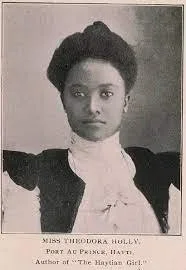
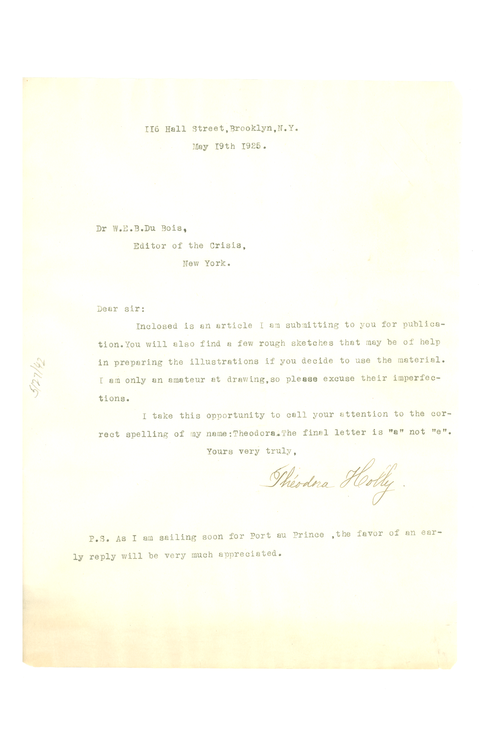
James Theodore Holly passed down his legacy to his children.
Born in Haiti as the youngest of nine children, Theodora Holly was a fierce advocate for women’s rights and education. During the U.S. occupation of Haiti, she served as an administrator in the Ministry of Education, where she fought to expand access to schooling for girls and the poor. In a landmark 1931 address, she urged Haitian women to engage in politics and social reform.
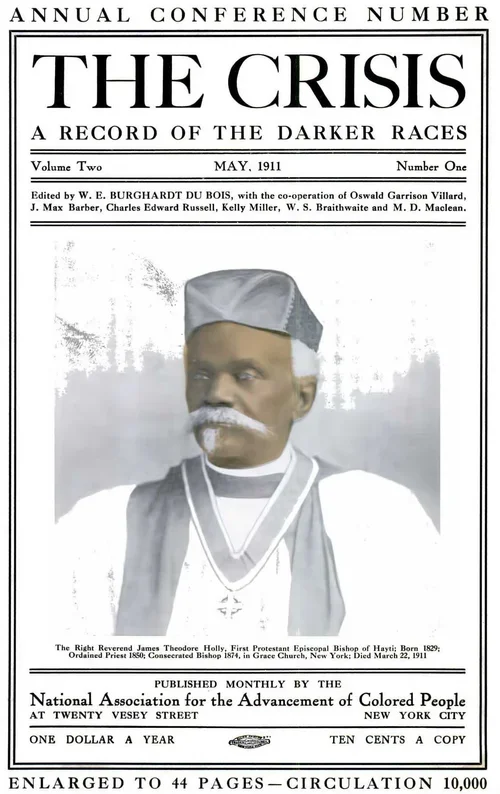
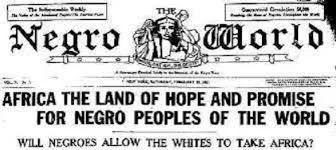
Theodora’s activism extended beyond Haiti. She contributed to W.E.B. Du Bois’ The Crisis magazine, which had earlier featured her father on its cover, and served as the French editor of Marcus Garvey’s The Negro World, writing and translating for the global Back-to-Africa movement.